
Free standard shipping for orders over $340.

Blog

Peptide Therapy in the USA

retatrutide peptide buy

Retatrutide Peptide Buy: Quality and Purity You Can Trust

retatrutide peptide buy

Key Highlights

  • Retatrutide Peptide Buy is a promising investigational drug known for its potential in significant weight loss, made by Eli Lilly. Its unique triple-action mechanism is currently being explored for research use in metabolic medicine. When you look to buy this peptide, prioritizing quality and purity is essential for reliable study results. The difference between RUO (Research Use Only) and other grades of retatrutide peptide generally lies in their intended use and regulatory standards; RUO grade is manufactured specifically for research use and not for human consumption, whereas clinical or pharmaceutical grades, including those from Eli Lilly, meet stricter regulatory requirements and can be used in clinical trials or therapeutic settings involving weight loss.
  • Its unique triple-action mechanism is currently being explored for research use in metabolic medicine.
  • When you look to buy this peptide, prioritizing quality and purity is essential for reliable study results.
  • Sourcing from unregulated vendors poses risks, including receiving counterfeit products and experiencing unexpected side effects.
  • Always verify a supplier’s credibility through third-party testing and certificates of analysis before purchasing.
  • Retatrutide is not yet approved for the general public and should only be acquired for legitimate research purposes.

Retatrutide Peptide Buy

Retatrutide has become one of the most exciting topics in metabolic research, largely due to compelling clinical trial data and early trial numbers suggesting its powerful effects on weight loss. This interest has caused a surge in online searches from researchers looking to acquire it. However, the market is complex and filled with unverified sellers. This guide will help you navigate the process, explaining what to look for when you decide to retatrutide peptide buy to ensure you receive a high-quality product for your research use.

Understanding Retatrutide Peptide and Its Applications

Retatrutide is an investigational peptide that functions as a triple hormone receptor agonist, meaning it activates three different pathways related to appetite, food intake, and metabolism. This unique mechanism is being studied for its potential in weight management and improving blood sugar. Early trial data has shown promising results, with some participants experiencing significant weight loss. Currently, retatrutide peptide is not commercially available for sale internationally or in any country, as it remains under clinical investigation and has not received regulatory approval for general distribution. Access is typically limited to participants enrolled in official clinical trials.

Because of these findings, the peptide is a major focus of clinical research. The goal of these studies is to confirm its effectiveness in reducing body weight and improving glycemic control. As one of the most advanced weight loss peptides in development, it represents a new frontier for potential weight loss treatments. The following sections will explore what makes it unique and how it’s being used in research today.

What Sets Retatrutide Apart from Other Peptides

What makes the retatrutide peptide so noteworthy in the field of research peptides? Unlike many traditional options that target a single metabolic pathway, retatrutide is a single peptide with a powerful triple action. It simultaneously activates the GLP-1, GIP, and glucagon receptors, which work together to regulate appetite, energy expenditure, and blood glucose levels metabolism.

This multi-faceted approach is a significant departure from various medications that have a more limited scope. By influencing several biological processes at once, retatrutide has shown the potential for more substantial outcomes in early studies compared to older compounds. This is why it has captured the attention of researchers looking for the next generation of metabolic therapies and has prompted discussions about retatrutide side effects that are vital for patients to consider.

For scientists, this means the opportunity to study a compound that offers a more holistic approach to metabolic regulation. Its unique structure and function distinguish it from other research peptides and open up new avenues for investigation.

Key Scientific and Research Uses in the United States

In the United States, retatrutide peptide is strictly an investigational drug intended for research use only and not for therapeutic use. It has not yet received FDA approval for public sale or clinical use. Its primary application is within controlled clinical trial settings where scientists can study its effects in a safe and monitored environment.

The main focus of this research is to understand its impact on metabolic health within the realm of modern medicine. Researchers are particularly interested in its ability to influence weight management and regulate blood sugar levels. These studies are crucial for gathering the data needed for potential future regulatory approval.

Key areas of investigation include:

  • Assessing its effectiveness in producing significant, sustained weight loss.
  • Evaluating its role in improving glycemic control in subjects with metabolic disorders.
  • Determining its long-term safety profile and potential side effects.

Why Quality and Purity Matter When You Buy Retatrutide Peptide

When sourcing retatrutide for research use, quality and purity are not just buzzwords—they are critical. The integrity of your study depends on the accuracy of your materials, especially when aiming for significant average weight loss. Impure peptides can contain contaminants that skew your data, making it impossible to determine if the observed effects are from the retatrutide or something else. This is especially true for studies on sensitive markers like blood sugar.

Furthermore, low-purity products can lead to unexpected side effects, compromising research safety. To avoid these issues, always demand detailed product information and certificates of analysis from your vendor Retatrutide Peptide Buy. Understanding the impact of purity on your work and how to verify it is non-negotiable for serious researchers.

The Impact of Purity on Research Outcomes

The purity of a peptide has a direct and significant impact on research outcomes. In clinical research focused on weight loss, for example, an impure batch of retatrutide could contain inactive fragments or unrelated substances. These contaminants can reduce the peptide’s efficacy, leading to results that underrepresent its true potential.

Worse yet, impurities can have their own biological effects, creating confounding variables that invalidate your entire study. Your data may show unexpected side effects or results that cannot be replicated, wasting valuable time and resources. You might mistakenly attribute these effects to the peptide itself when they are actually caused by unknown contaminants.

To ensure your research is accurate and reproducible, using a peptide with verified high purity is paramount. This guarantees that the effects you observe are solely attributable to the compound being studied, which is the foundation of credible scientific discovery.

Industry Standards and Testing for Retatrutide Peptide

For experimental medications like retatrutide, there are established industry standards for verifying quality. Reputable suppliers adhere to stringent testing protocols to ensure the identity and purity of their products, particularly at higher doses of this drug. The most important tool in this process is third-party testing, which provides an unbiased assessment of the peptide.

A key piece of documentation to look for is the Certificate of Analysis (CoA). This document summarizes the early results of quality control testing, confirming that the product meets the required specifications. As retatrutide is an investigational drug, this level of verification is crucial until it undergoes final safety reviews for regulatory approval.

When evaluating a supplier, look for evidence of:

  • High-Performance Liquid Chromatography (HPLC) to confirm purity.
  • Mass Spectrometry (MS) to verify the correct molecular weight.
  • Independent lab reports that are recent and specific to the current batch.

Where to Buy Retatrutide Peptide Online: Trusted Sources in the U.S.

Navigating the online marketplace for retatrutide can be challenging. Because it has not received regulatory approval, it is not available as a prescription medication from a licensed pharmacy. This has led to a marketplace of unregulated sellers making unverified claims. For legal reasons, purchasing from these sources for personal use is risky and not recommended every step of the way.

The only legal options for earlier access involve participating in a clinical trial. For research purposes, the key is to find specialized vendors who supply high-purity peptides exclusively for laboratory use. We’ll discuss how to identify these credible sources and how companies like ours ensure a reliable supply for the scientific community.

Recognizing Reputable Peptide Vendors

Identifying a reputable vendor is crucial for anyone looking to retatrutide peptide buy for research. Unlike a licensed pharmacy that dispenses approved drugs, a peptide supplier operates in a different space. A trustworthy vendor will be transparent and provide extensive documentation to back up their products.

One of the clearest signs of a reputable vendor is the provision of detailed product information. They will openly share third-party testing results and will not make illegal therapeutic claims about their products. For legal reasons, they will clearly state that their peptides are for research use only.

When vetting a potential supplier, look for these indicators:

  • A professional website with clear contact information and business details.
  • Batch-specific Certificates of Analysis available for every product.
  • A clear disclaimer that products are for research and not for human consumption.
  • Positive reviews from other researchers on independent forums.

How Prime Peptides Ltd Ensures Reliable Supply

At Prime Peptides Ltd, we understand the high demand for cutting-edge research drugs like retatrutide, which have shown huge average weight losses in clinical studies. We also understand that with this demand comes a responsibility to provide a reliable supply of the highest quality. Our commitment to the research community is built on a foundation of transparency and rigorous quality assurance.

We follow a proper process for every product we offer. Each batch of retatrutide undergoes stringent third-party testing to verify its purity and identity before it is ever listed for prescription use and sale. This ensures that when you purchase from us, you receive a product that meets the exacting standards required for credible scientific research.

Our team is dedicated to supporting your work by eliminating the guesswork in sourcing. With Prime Peptides Ltd, you can be confident that you are getting a consistent, high-purity research drug, allowing you to focus on what truly matters: your results.

What to Look for Before You Buy Retatrutide Peptide

Before you buy retatrutide peptide, it’s vital to perform your due diligence. Your decision should be based on more than just price. Look for key indicators of quality and reliability, including certifications, comprehensive documentation, and authentic customer reviews. A vendor’s transparency is a strong signal of their trustworthiness.

Since this is a research chemical without regulatory approval, it won’t be covered by insurance. This makes it even more important to ensure you are investing in a legitimate, high-purity product. The next sections will detail the specific documentation you should demand and how to effectively assess a vendor’s reputation.

Essential Certifications and Documentation

The most critical piece of documentation you can ask for is a Certificate of Analysis (CoA). This document is your proof of quality and purity. It should be from an independent, third-party laboratory and correspond to the specific batch number of the product you are purchasing. A generic or outdated CoA is a major red flag.

Beyond certifications, a reliable supplier will provide detailed product information. This includes the peptide’s sequence, molecular weight, and appearance. This level of detail demonstrates that the vendor understands the products they are selling and is confident in their quality.

The main reasons to insist on this documentation are to:

  • Verify the identity and purity of the peptide.
  • Ensure there are no harmful contaminants.
  • Guarantee the consistency and reproducibility of your research results.

Assessing Customer Reviews and Transparency

Customer reviews can offer valuable insights, but they must be assessed carefully. Look for reviews on third-party platforms, forums, or social media posts where researchers discuss their experiences. Reviews that are overly generic or appear on the vendor’s site without verification might not be authentic.

Transparency is another key factor. A trustworthy vendor will be open about their business practices, from testing protocols to shipping policies. They should provide clear product information and be upfront about the exact retatrutide cost without hidden fees. If a vendor is evasive when you ask questions, it’s best to look elsewhere.

When evaluating a vendor’s transparency, check for:

  • A readily available and current Certificate of Analysis.
  • A clear statement that products are for research use only.
  • Responsive customer service that can answer technical questions.

Comparing Retatrutide Peptide Pricing and Value Across Vendors

When you compare pricing for retatrutide, remember that the lowest price is rarely the best value. The exact retatrutide cost can vary significantly between vendors, but these differences often reflect corners cut in purity, testing, or customer support. A cheap product that compromises your research is no bargain. True value, especially with new advanced injectables, comes from a fair price for a guaranteed, high-purity product.

Below is a table to help you compare vendors not just on price, but on overall value.

Feature to CompareWhat to Look For in a High-Value VendorRed Flags from Low-Quality Vendors
Purity GuaranteeBacked by recent, third-party lab reports (CoA)No testing data or outdated reports
TransparencyClear product info, contact details, business infoVague descriptions, no physical address
Customer SupportKnowledgeable staff available to answer questionsUnresponsive or evasive support
PriceReflects high purity and testing costs“Too good to be true” low prices

Factors Influencing the Cost of Retatrutide Peptide

Several key factors influence the cost and pricing of research-grade retatrutide. The primary driver is the complex and expensive process of synthesizing a high-purity peptide. Ensuring that each batch is over 99% pure requires sophisticated equipment and rigorous quality control, which adds to the final price.

Additionally, since retatrutide has not yet achieved market approval, it is not produced on the massive scale that a commercial drug would be in the field of metabolic medicine today. It remains a specialty chemical for research, and this lower volume of production keeps costs higher. As a research compound, it is not eligible for insurance coverage, so the full cost falls to the purchaser.

As the peptide moves into a larger phase of clinical trial testing for different people, demand may increase, which could also affect pricing. However, the fundamental costs of synthesis and third-party purity verification will always be the most significant factors.

Finding the Best Pricing Without Compromising Quality

Finding the best pricing for retatrutide doesn’t have to mean sacrificing quality or considering related medical conditions. The key is to seek value from a reputable vendor rather than simply hunting for the lowest absolute cost. An unusually low price is often a warning sign of a low-purity or counterfeit product.

A better strategy is to identify a few reputable vendors and compare their offerings. Some suppliers may offer discounts for bulk purchases, which can lower the per-unit cost without compromising on quality. This is an excellent way for labs with ongoing projects to manage their budgets effectively.

To secure the best value, you should:

  • Prioritize vendors who provide third-party testing for every batch.
  • Inquire about bulk discounts or loyalty programs.
  • Compare the exact retatrutide cost in the context of verified purity levels.

Frequently Asked Questions (FAQ)

Questions often arise about retatrutide, especially regarding its impact on weight loss and blood sugar levels. Users frequently seek detailed product information, including higher doses of retatrutide dosing and potential side effects. As an investigational drug, it shows promising results in clinical trials. Consumers may wonder about insurance coverage and whether the retatrutide peptide can be legally obtained. To address these concerns, always consult a licensed clinician before purchasing from any marketplace of unregulated sellers to ensure quality and safety.

Can I purchase retatrutide peptide for research use without a prescription?

Yes, for legitimate research use, retatrutide peptide can be purchased from specialized suppliers without a prescription. This is because it is sold as a research chemical, not a medication for human use or consumption. For legal reasons, these products are clearly labeled as an investigational drug for laboratory purposes only.

How can I verify the purity of retatrutide peptide before buying?

To verify the purity of retatrutide peptide, request a current, batch-specific Certificate of Analysis (CoA) from the vendor. This document should be from a third-party lab and show the results of testing, like HPLC, which confirms the peptide’s purity level. This is the industry standard for verification.

Are there specific storage or handling instructions after purchasing retatrutide peptide?

Yes, proper storage is crucial for maintaining the stability of experimental medications like retatrutide peptide. Generally, it should be stored in a freezer in its lyophilized (powder) form and then refrigerated after reconstitution. Always refer to the specific storage instructions included with the product information from your supplier.

Conclusion

In conclusion, purchasing a retatrutide prescription and retatrutide peptide requires careful consideration of quality and purity to ensure optimal research outcomes. Understanding what sets retatrutide apart from other peptides and knowing where to buy it safely will empower you to make an informed decision. By assessing vendor reputations and scrutinizing customer reviews, you can confidently select a trusted source like Prime Peptides Ltd, which prioritizes the standards and transparency essential for your research needs. So, if you’re ready to enhance your research with high-quality retatrutide peptide, don’t hesitate—get in touch with us today for expert guidance and support!
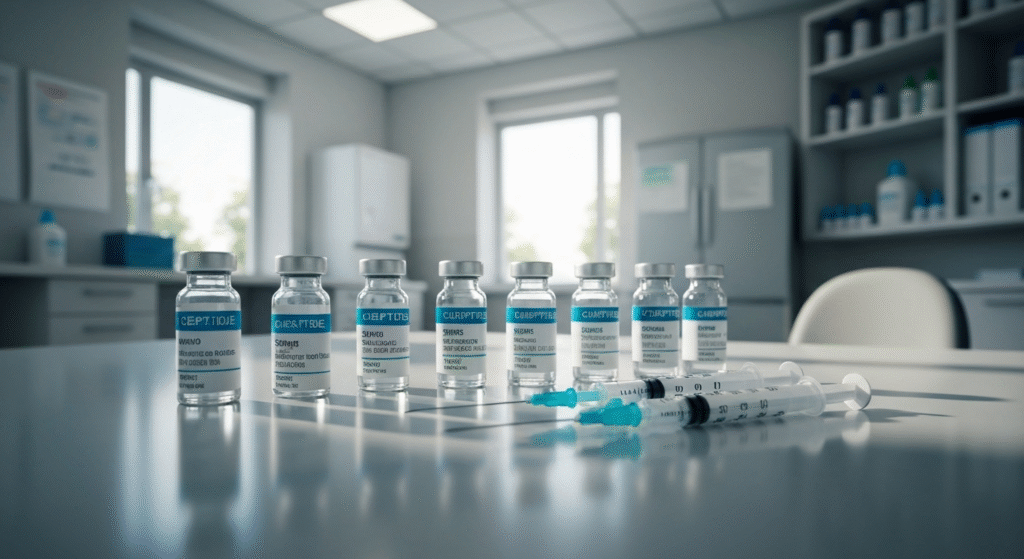
Peptide Therapy USA: What to Know Before You Buy

Peptide Therapy USA: What to Know Before You Buy

Peptide therapy USA

Here is a quick overview of what you need to know about peptide therapy in the USA.

  • The legal status of peptides is complex, with FDA regulations impacting which ones are available.
  • The FDA has recently tightened rules, banning many popular peptide treatments from being made by compounding pharmacies.
  • Peptides offer potential benefits for muscle growth, fat loss, and anti-aging, but many lack large-scale clinical trials.
  • Using unregulated peptides carries risks, including contamination and unknown side effects.
  • The wellness industry has seen a surge in interest in peptides, but it’s crucial to prioritize safety.
  • To ensure safety, always consult a healthcare provider and buy from reputable, compliant sources.

Peptide therapy USA

Peptide therapy has become a popular topic in the health and wellness world, but its growing use has also brought confusion about its legality and safety in the United States. With regulations constantly changing, it’s easy to feel lost. Are these treatments safe? Are they even legal to buy? This guide will walk you through the essentials of peptide therapy in the USA, covering everything from FDA rules and potential side effects to how to purchase peptides safely. Understanding these factors is key to making informed decisions for your health journey.

Understanding Peptide Therapy in the USA

The popularity of peptide therapy has exploded across the United States as more people look for targeted ways to improve their health. From anti-aging clinics to wellness centers, the use of peptides is on the rise to help with everything from muscle growth to enhancing brain function.

These powerful chains of amino acids act as signaling molecules in your body, but navigating their therapeutic use can be tricky due to shifting regulations. Let’s explore what peptides are, their applications, and why they’ve become a major trend.

What Are Peptides and How Do They Work?

At their core, peptides are short chains of amino acids, which are the fundamental building blocks of proteins. Because of their small size, they are easily absorbed and utilized by the body, allowing them to perform highly specific functions. Think of them as tiny messengers that tell your cells what to do. The legal status of buying and using these compounds in the USA is complicated and depends heavily on the specific peptide and its intended use.

Their mechanism of action is precise. For example, certain peptides can stimulate the pituitary gland to release more growth hormone, which is vital for tissue repair and metabolism. The Food and Drug Administration (FDA) requires extensive clinical trials before approving any peptide for human consumption, but many are still used and studied.

This targeted approach allows peptide therapy to influence a wide range of bodily processes, including muscle growth, fat loss, immune function, and even brain health. By supplementing with specific peptides, you can potentially enhance these functions, though it’s important to understand the regulatory landscape before starting any treatment peptide therapy USA.

Overview of Peptide Therapy Applications

Peptide therapy offers a diverse range of potential benefits, which is why it has gained so much attention. These treatments are used to address various health and performance goals by targeting specific biological pathways. When considering these applications, it’s crucial to be aware of the legal risks associated with unregulated peptides in the US.

The applications are varied and tailored to individual needs. For example, some peptides are known for their ability to promote fat loss without affecting blood sugar, while others are celebrated for accelerating tissue repair after an injury.

Depending on the specific chain of amino acids, peptide therapy may help with:

  • Weight loss and fat loss: By accelerating metabolism and targeting fat breakdown.
  • Muscle growth and repair: By stimulating growth hormone and inhibiting proteins that limit muscle mass.
  • Skin and hair health: By boosting collagen production and promoting regeneration.
  • Brain health: By protecting the brain from oxidative stress and improving cognitive function.
  • Reduced inflammation: By regulating the body’s inflammatory response to support healing.

Growing Interest and Trends in the United States

The wellness industry has fully embraced the use of peptides, with interest skyrocketing among biohackers, athletes, and anyone seeking to optimize their health. From clinics in New York to wellness centers in New Jersey, peptide treatments are becoming more mainstream as people learn about their potential benefits for aging, performance, and overall vitality.

This growing popularity has also attracted regulatory attention. The current state of peptide access is in flux, as the FDA has increased its scrutiny of these compounds, particularly those prepared by compounding pharmacies. While some peptides are well-researched, many others lack the extensive clinical trials the FDA requires for approval as pharmaceuticals. Are there any recent legal changes or updates for peptide regulations in the US? Yes, and these changes are reshaping the industry.

As a result, there’s a clear trend toward consumers needing more education on the difference between FDA-approved drugs, dietary supplements, and research-grade peptides. State laws can also vary, adding another layer of complexity for both providers and users navigating this evolving landscape.

Legal Status of Peptides: US Regulations

Navigating the legal status of peptides in the USA requires understanding the roles of different regulatory bodies. The landscape is primarily shaped by federal law, with the Food and Drug Administration (FDA) at the forefront of establishing what is permissible for human use.

However, state laws also play a part, especially concerning pharmacy compounding and sales. These overlapping regulations create a complex environment for consumers and providers alike. The following sections will clarify how the FDA classifies peptides and what the current standards mean for you.

How Does the FDA Classify Peptides?

The FDA has a multifaceted approach to classifying peptides, and not all types are treated the same under the law. Generally, if a peptide is intended to treat, prevent, or cure a disease, the FDA classifies it as a drug. This classification triggers a rigorous approval process, including extensive clinical trials to prove safety and effectiveness for human use.

Many synthetic peptide products fall into this category. However, some peptides are also found in products regulated under the Federal Food, Drug, and Cosmetic Act as cosmetics, particularly for topical skin applications like copper peptides. The distinction is based on the product’s intended use and marketing claims.

Because of this, the path to legal market access for peptide therapy is challenging. The FDA’s primary concerns are the lack of large-scale human trials for many peptides, the potential for impurities in unregulated products, and the risk of misuse. This is why the drug administration scrutinizes these compounds so closely.

Current FDA Peptide Regulation Standards

Current FDA regulations on peptides in the United States have become stricter, especially regarding pharmacy compounding. Compounding pharmacies traditionally create customized medications for patients, but the FDA has recently banned them from producing a number of popular peptide treatments. This crackdown stems from concerns about a lack of safety data and inconsistent quality.

The agency argues that because many of these peptides have not undergone sufficient clinical trials, they pose risks such as triggering negative immune reactions or containing harmful impurities. The FDA’s goal is to ensure regulatory compliance and protect consumers from potentially dangerous, under-researched substances.

For consumers, this means that accessing certain peptide treatments through a compounding pharmacy is no longer an option. This federal law enforcement has pushed some individuals toward riskier, unregulated sources. It also places a greater responsibility on providers to work only with legally compliant suppliers to ensure the safety and efficacy of peptide treatments.

Legal Peptides USA: Which Types Are Allowed?

Determining which types of peptides are legal versus illegal in the US can be confusing. The legal status often depends on how a peptide is classified and sold. Generally, there are three main categories: FDA-approved prescription peptides, compounded peptides, and research peptides.

Prescription peptides like Tesamorelin are fully legal when prescribed by a doctor for a specific FDA-approved indication. Compounded peptides exist in a gray area; some, like Sermorelin, may still be available, but many others have been banned from compounding. Finally, research peptides are legal to sell for laboratory purposes only, with the label “not for human use.” Purchasing these for personal use enters a risky legal territory.

Here is a look at the status of some popular peptides:

PeptideFDA Status for Compounding
CJC-1295No longer approved for compounding (removed in 2023)
IpamorelinNo longer available for compounding under FDA regulations
BPC-157Banned from compounding; not approved for human use
AOD 9604No longer allowed for compounding as of 2023
TesamorelinFDA-approved for specific conditions (e.g., HIV-related lipodystrophy)
SermorelinStill available through some compounding pharmacies but harder to access

Buying Peptides Online in the USA: Rules and Considerations

When you look to buy peptides online, you’re stepping into a marketplace with very few guardrails. The internet is filled with sellers, but the rules governing peptide sales are strict, and the risks of buying from the wrong source are high. It’s crucial to understand the legal status of online purchases meant for human consumption.

Before you click “buy,” you need to be aware of the potential for receiving impure or counterfeit products. Ensuring regulatory compliance is not just the seller’s responsibility—it’s also key to protecting your own health and staying on the right side of the law.

Is It Legal to Purchase Peptides Online for Personal Use?

The legality of purchasing peptides online for personal use in the US is a significant gray area. If you have a prescription from a licensed doctor for an FDA-approved peptide, you can legally obtain it from a legitimate pharmacy, which may offer online services. However, the situation changes drastically when it comes to “research peptides.”

Many websites sell peptides labeled “for research purposes only” and “not for human consumption.” While it may be legal to sell these products for laboratory experiments, it is not legal to buy them for personal use, such as injecting them. The FDA does not regulate these research peptides for safety, purity, or efficacy, and doing so circumvents FDA regulations designed to protect consumers.

Ultimately, purchasing peptides online without a prescription for personal use is risky. You could be buying a contaminated or incorrectly dosed product, and you may be violating federal law by using a substance not approved for human consumption.

Seller Requirements and Licensing for US Businesses

For US businesses, it is not a simple matter to legally sell peptides online, especially for human use. Businesses that manufacture or sell FDA-approved peptide drugs must adhere to stringent federal laws and regulations peptide therapy USA. Pharmacies, including compounding pharmacies, must be licensed by state boards of pharmacy and comply with their rules.

The recent FDA crackdown has specifically targeted pharmacy compounding of certain peptides, making it illegal for even licensed pharmacies to produce and sell them. Do US businesses need special licenses to compound or sell peptide products? Yes, they require pharmacy licenses and must follow specific federal guidelines, which have become increasingly restrictive.

Sellers operating in the “research chemical” market often exploit a loophole by labeling their products as “not for human use.” However, this does not absolve them of all responsibility, especially if they are marketing their products in a way that implies human use peptide therapy USA. This unregulated space lacks oversight, making it a high-risk area for consumers.

Key Things to Verify Before Buying Peptides

Given the risks of unregulated peptides, it’s essential to be diligent before making a purchase. You need to prioritize authenticity, safety, and compliance to protect your health and ensure you’re getting what you paid for. Many online sellers offer products with questionable purity, so verification is key peptide therapy USA.

Start by questioning the source. Is it a licensed pharmacy or a faceless online store? Unregulated suppliers are a major source of contaminated or fake products. Knowing what to look for can help you avoid the legal and health risks associated with these peptides.

Before you buy, make sure to verify the following:

  • Third-Party Testing: Reputable sellers provide a recent Certificate of Authenticity (COA) from an independent lab to confirm purity and identity.
  • Provider Consultation: The safest approach is to work with a licensed healthcare provider who can source peptides from a trusted, compliant pharmacy.
  • FDA Approval Status: Understand if the peptide you’re considering is FDA-approved for human use, available via compounding, or sold only for research.
  • Seller Reputation: Look for reviews and be wary of sellers who are hesitant to provide detailed information about their quality assurance processes.

Research-Grade vs. FDA-Approved Peptides

Understanding the difference between research-grade and FDA-approved peptides is critical for your safety. FDA-approved peptides have passed rigorous clinical trials to confirm they are safe and effective for human use. They are manufactured under strict quality controls and are available only with a prescription.

In contrast, research-grade peptides are intended solely for laboratory studies and are not approved for human consumption by the drug administration. This distinction is the most important factor when considering safety, legality, and effectiveness. The sections below will explore these differences in more detail.

Differences Between Research and Prescription Peptides

The primary difference between research-grade and prescription peptides lies in regulation and intended use. Prescription peptides are FDA-approved drugs that have been thoroughly vetted through extensive clinical trials. This process ensures they meet strict standards for safety, purity, and effectiveness in humans. They can only be legally obtained with a prescription from a healthcare provider.

On the other hand, research-grade peptides are not regulated by the FDA for human use. They are sold legally for laboratory and scientific research purposes only and are explicitly labeled “not for human consumption.” Because they bypass FDA approval, there is no guarantee of their quality, purity, or even what they contain.

This is why not all types of peptides are regulated the same way. The risk profile is vastly different. Using a prescription peptide under medical supervision is a controlled therapeutic process. Using a research peptide is an unregulated experiment on your own body with unknown substances and potential consequences.

Safety, Effectiveness, and Quality Assurance

When it comes to peptides, safety, effectiveness, and quality assurance are not guaranteed unless you are using an FDA-approved product. The risks of buying or using illegal or unregulated peptides are significant. These products often contain impurities, such as heavy metals or incorrect substances, which can cause serious side effects and adverse health reactions.

Effectiveness is another major concern. Without clinical trials, the benefits attributed to many research-grade peptides are purely anecdotal. You may not achieve your desired results and could be wasting your money on a product that doesn’t work. The lack of quality assurance means the dosage on the label might be inaccurate, leading to either ineffectiveness or dangerous overdose.

The FDA’s drug administration process includes rigorous quality checks at every stage of manufacturing to ensure each batch is consistent and pure. This level of quality assurance is completely absent in the unregulated market, making it impossible to know if you are using a safe or effective product.

Risks Associated with Unregulated or Illegal Peptides

Opting for unregulated or illegal peptides might seem like an easy shortcut, but it comes with significant dangers that can affect your health and legal status. The primary risk is what’s actually in the vial. Since these products are not monitored by the FDA, they can be contaminated, under-dosed, over-dosed, or contain completely different substances than advertised. This exposes you to a host of unknown side effects and health concerns.

Beyond the immediate health risks, there are also legal issues to consider. Purchasing and using substances not approved for human consumption can put you in a precarious legal position. The convenience of buying online is not worth the potential for long-term health problems or legal trouble. It’s essential to understand these risks before making a decision.

Potential Legal Consequences and Health Concerns

Using unregulated peptides exposes you to a wide array of serious health concerns. The FDA has flagged numerous peptides due to risks found in studies, including heart failure (Ibutamoren), melanoma skin cancers (Melanotan II), and severe immune reactions. Since these products lack oversight, they may contain impurities or mislabeled dosages, leading to unpredictable and dangerous side effects.

What risks do you face if you use unregulated peptides? Beyond the health issues, there are potential legal consequences. Possessing and using drugs not approved by the FDA for human consumption can be a violation of federal law. While enforcement may vary, you are operating outside the established legal framework for medications.

The risks of buying or using illegal peptides in the United States are twofold: you gamble with your health by introducing unknown substances into your body, and you navigate a legal gray area. The drug administration’s regulations are in place to prevent these exact scenarios, emphasizing the importance of sticking to approved and verified sources.

Recent Changes in Peptide Regulation

The world of peptide regulation is not static; it is constantly evolving. In recent years, the FDA has taken a more active role in overseeing the peptide market, leading to significant changes that affect both consumers and providers. These new laws and policy updates are reshaping access to popular peptide treatments across the country.

Staying informed about these shifts is crucial for anyone considering peptide therapy. Understanding the latest FDA regulations and their impact can help you make safer, more compliant choices. Let’s look at some notable updates and what they mean for you.

Notable FDA Updates in Peptide Policy

One of the most significant recent legal changes has been the FDA’s crackdown on compounding pharmacies. In 2023, the agency released guidance that added a number of popular peptides to a list of substances that cannot be compounded. This includes well-known peptides like BPC-157, CJC-1295, Ipamorelin, and AOD 9604.

The FDA’s justification for these policy updates is a lack of sufficient data from clinical trials to ensure their safety and effectiveness. The agency has cited risks such as immune reactions, dangerous impurities from the compounding process, and a general absence of human exposure data for some compounds like Dihexa.

This federal law update effectively halted the mainstream, legal production of these peptides for patient-specific prescriptions through compounding pharmacies. This action reflects a broader trend of the drug administration tightening its control over the peptide market to address safety concerns.

Impact of New Laws on Consumers and Providers

The new FDA laws have had a direct and immediate impact on both consumers and providers. For consumers, accessing certain peptides has become much more difficult. Many who relied on treatments like BPC-157 or CJC-1295 from compounding pharmacies must now seek alternatives or turn to the unregulated market, which carries significant risks.

For providers, particularly those in the wellness and anti-aging space, the provider responsibility has shifted. They must now navigate a more restrictive landscape and ensure absolute regulatory compliance. This means they can no longer legally prescribe or source the banned peptides from compounding pharmacies for their patients. The FDA’s classification of these peptides as ineligible for compounding has limited their therapeutic toolkit.

Ultimately, these changes have made the peptide sales market more fragmented. While the intent is to protect public health, it has also created confusion and driven some demand underground. This underscores the importance of consulting with a knowledgeable healthcare provider who understands the current legal framework for human use.

How to Safely Choose Peptide Therapy in the USA

Choosing peptide therapy safely in the USA comes down to one core principle: diligence. With a complex regulatory environment and a flood of unregulated online sellers, you must prioritize safety above all else. This means avoiding shortcuts and focusing on verified, legal avenues for treatment.

The best way to protect yourself is by working with a licensed healthcare provider and insisting on products from compliant sources. The following steps will guide you on how to navigate the process, ensure regulatory compliance, and find a treatment plan that is both effective and safe.

Consulting Licensed Healthcare Providers

The single most important step you can take for safe peptide therapy is to consult a licensed healthcare provider. A qualified doctor or clinician can properly assess your health needs, determine if peptide therapy is appropriate for you, and guide you through the complexities of treatment. Can I legally buy peptides for personal use in the USA right now? Only with a valid prescription from a licensed provider for an FDA-approved or legally compounded peptide.

A healthcare provider can prescribe peptides that are legally available and source them from reputable, licensed pharmacies. This ensures the product you receive is pure, correctly dosed, and free from contaminants. They can also monitor your progress and manage any potential side effects, an essential safety measure that is absent when you self-prescribe.

Going through a professional is not just about legality; it’s about safety. They have the expertise to navigate the options, avoid substances banned by the drug administration, and create a personalized plan based on evidence from human trials, not just online anecdotes.

Verifying Authenticity and Compliance

Once you and your healthcare provider have decided on a course of treatment, verifying the authenticity and compliance of the peptide product is the next critical step. Never take a seller’s claims at face value, especially in the online market. Authenticity is directly linked to safety.

Always ask for a third-party Certificate of Authenticity (COA) for the specific batch of the peptide you are purchasing. This document is proof that the product has been tested by an independent laboratory for purity, identity, and concentration. A reputable supplier will readily provide this. If a seller is hesitant or refuses, consider it a major red flag.

Understanding the legal risks of unregulated peptides in the US should make you cautious. Prioritize quality assurance by sticking to sources your healthcare provider trusts. True compliance means the product is not only pure but also legally sourced and dispensed according to FDA and state regulations.

Conclusion

Navigating the world of peptide therapy in the USA can be complex, but understanding the regulations and safety measures is essential for making informed decisions. By staying educated on what peptides are legal, recognizing the difference between research-grade and FDA-approved compounds, and consulting healthcare professionals, you empower yourself to make safe choices. The landscape of peptide therapy is ever-evolving, so ongoing awareness of recent regulatory updates is vital. Remember, your health and well-being come first. If you’re ready to explore peptide therapy safely, consider reaching out for expert guidance tailored to your needs.

Frequently Asked Questions

Can I legally buy peptides for personal use in the USA?

You can legally buy FDA-approved peptides with a prescription from a licensed healthcare provider. However, purchasing “research peptides” online for personal use is a legal gray area and highly risky, as these products are not approved for human consumption and bypass FDA regulations designed to ensure safety.

What risks do I face if I use unregulated peptides?

Using unregulated peptides exposes you to serious health concerns, including contamination with heavy metals, incorrect dosages, and unknown side effects. The FDA does not oversee these products, so their purity and safety are not guaranteed. There are also potential legal risks associated with using substances not approved for human consumption.

Are all types of peptides regulated the same way by the FDA?

No, the FDA does not regulate all peptides equally. Some are approved as prescription drugs after extensive clinical trials. Others, like many research-grade peptides, have no FDA oversight for human use. The agency has also recently banned many popular peptides from being made by compounding pharmacies, further complicating the regulatory landscape.

peptide therapy USA

are peptides legal in the US

Select the fields to be shown. Others will be hidden. Drag and drop to rearrange the order.
  • Image
  • SKU
  • Rating
  • Price
  • Stock
  • Availability
  • Add to cart
  • Description
  • Content
  • Weight
  • Dimensions
  • Additional information
Click outside to hide the comparison bar
Compare
Shopping cart close